




Your drain pipes work around the clock, and you rarely think about them until water backs up. In Orange, heavy rain, soft soil, and aging pipes can put real stress on a home’s plumbing. Innovative Air Solutions, Plumbing AC & Furnace Repair provides drain installation in Orange, TX for new construction, remodels, and homes where old lines have reached the end of their life. Our drain pipe installation in Orange, TX, is built to quickly move wastewater out of your home and keep it flowing for years.


Not every drain problem calls for new pipe, but some do. Here are the signs it may be time.
Orange sits in a wet, humid part of Southeast Texas. Frequent rain and shifting clay soil can move buried pipes out of alignment over time, and tree roots go looking for any small crack they can find. Older cast iron and clay lines are especially vulnerable.
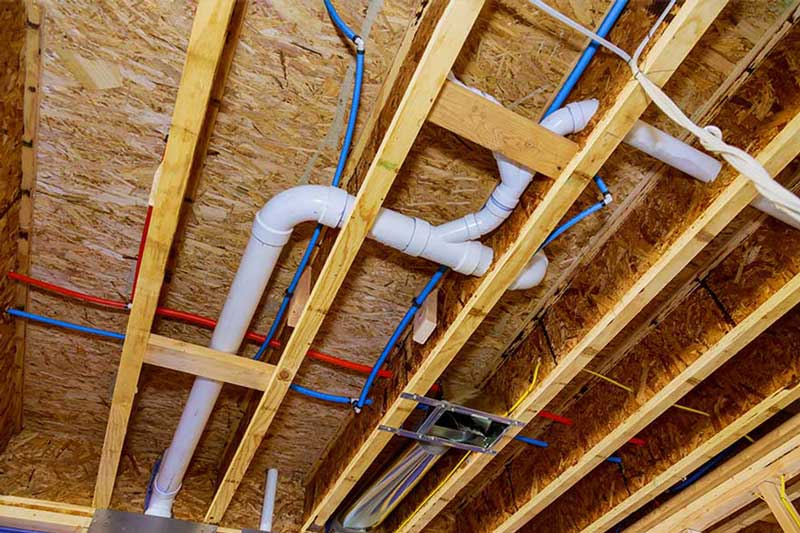
If you are building or remodeling, this is the best time to get the layout right. Moving a sink, adding a bathroom, or finishing a garage all change how water needs to travel. Planning the pipe route early saves you from having to open walls and floors a second time. We work with you and your builder so the plumbing fits the rest of the project.
The best pipe depends on the location, the soil, and local plumbing code. These are the options we discuss most often.
We help you choose a material based on how long you plan to stay, your budget, and your home’s needs. PVC and ABS are common for residential drain lines, while cast iron suits spots where noise control matters. We always follow local plumbing code and explain why we recommend one option over another.
Soil conditions matter too. Around Orange, wet clay soil can shift and put pressure on buried lines, so we plan bedding and support to keep pipes in place. A good material choice paired with a careful install holds up far better over time.
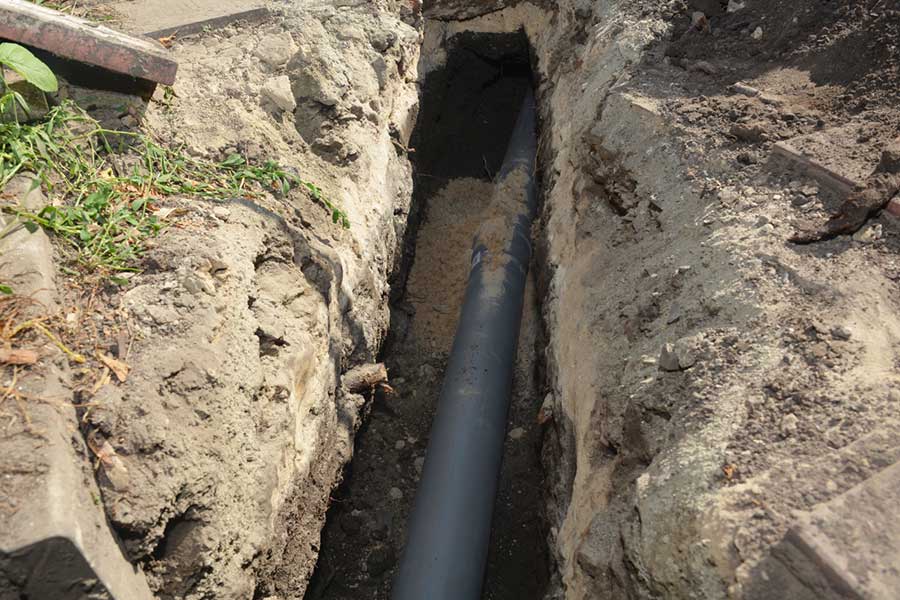
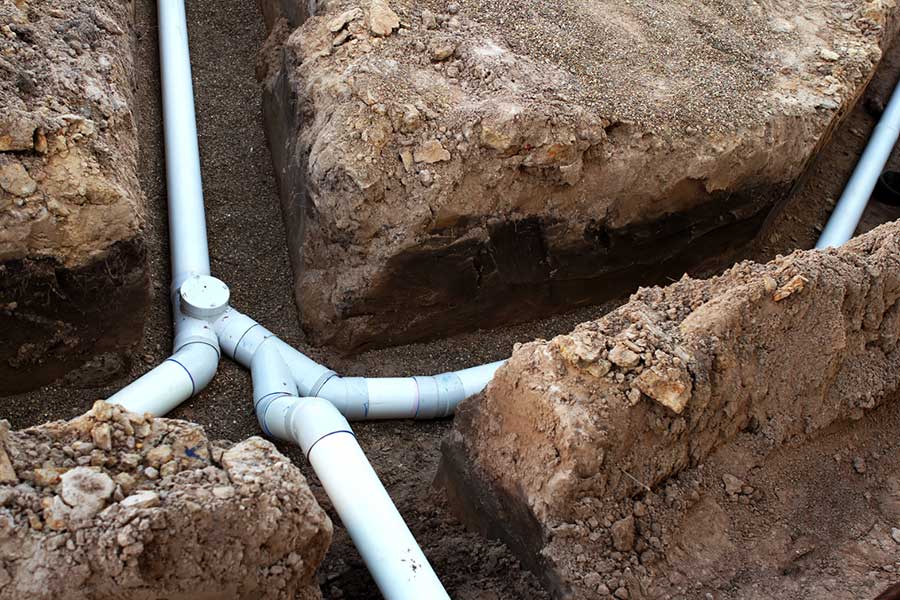
We start by inspecting your current plumbing and talking through the problem you are trying to solve. Next, we plan the pipe route, slope, and connections so that water drains by gravity as it should. Before we begin, we give you a clear explanation of the work and the cost. No surprises, no jargon.
When work starts, we protect your home and cut out or dig up old pipe as needed. We install the new drain pipe with the right pitch, secure support, and tight joints. Proper slope is one of the most important parts of the job, since too little lets waste settle and too much leaves solids behind. Once the pipe is in, we test the line for leaks and proper flow, clean the work area, and review the finished project with you.
A drain line is not something you want to redo. Careful installation pays off every day, starting with water that leaves your home quickly so sinks, tubs, and showers drain the way they should. Tight, well-supported joints also reduce the chance of leaks that can damage floors, walls, and foundations.
A new drain system also gives you a fresh start. You no longer have to worry about hidden cracks, root intrusion, or corroded sections in the middle of the line. Many homeowners find that the peace of mind alone is worth the investment.
Correct slope and clean connections reduce clogs and backups. Pipes chosen for our soil and moisture conditions hold up better over time, which saves you from repeat repairs. A permitted, code-compliant job also protects your home’s value and avoids headaches at resale.
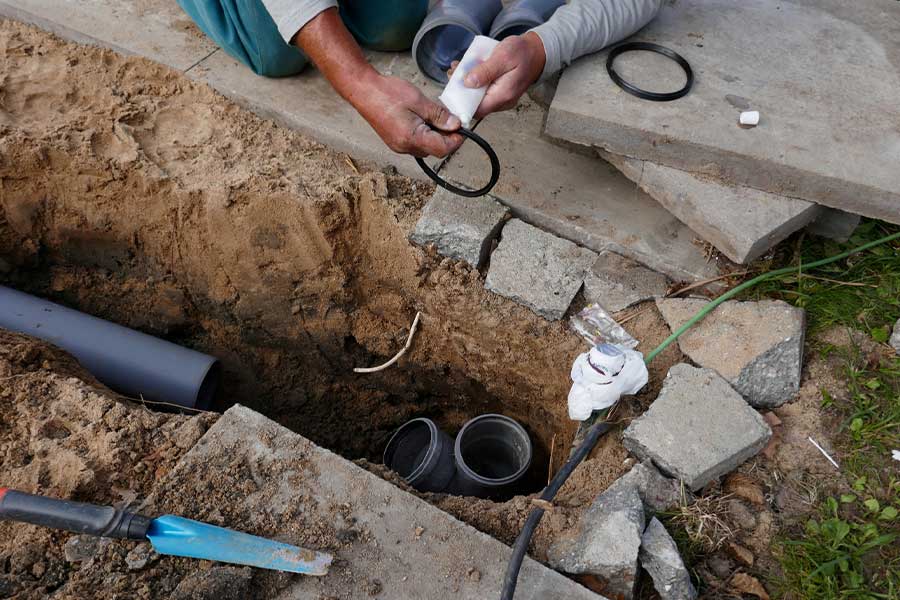
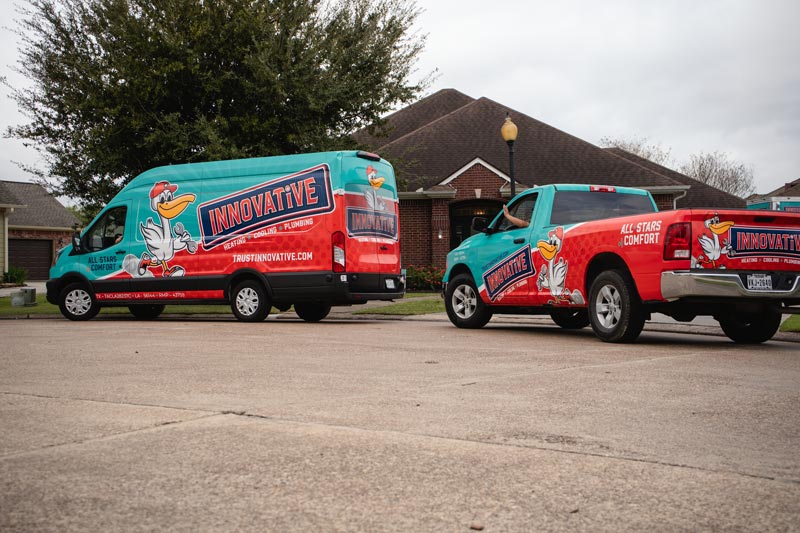
When your plumbing is torn open, you want to know who is in your home and what they are doing. Here is what you get when you call us.
We give you honest recommendations, even when the answer is a smaller repair instead of a full replacement. Because we handle plumbing, heating, and cooling, we can spot overlapping problems, like a leak that affects your AC closet.

Small jobs may take a few hours, while larger projects can take a few days. We will give you a realistic timeline before we start.
It depends on where the problem is. We choose the least disruptive approach that still gives you a lasting fix.
Many drain projects require a permit. We handle the requirements, so your work meets local code.
Repeated clogs, collapsed sections, and widespread damage usually point to replacement. We inspect the line and clearly explain your options.
Yes. Roots can enter through small cracks or loose joints and grow into a serious blockage.