

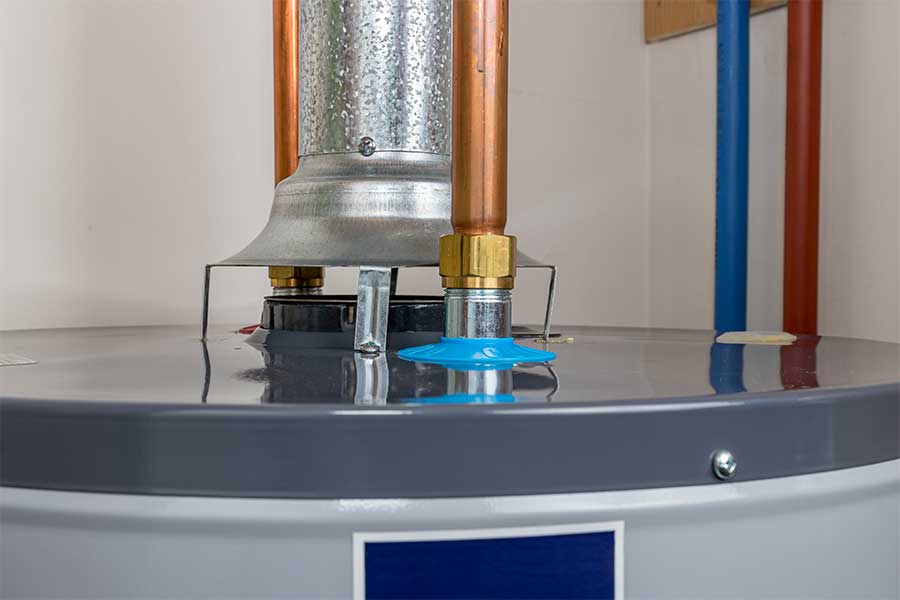
Water heater replacement in Lumberton, TX comes down to three decisions: the right size for the household’s peak hot water use, the right fuel type for the home’s existing connections, and the right efficiency level for long-term operating costs. A licensed plumber measures all three before recommending a tank, tankless, or hybrid heat pump unit.
Choosing a replacement feels simple until the options pile up and nobody has explained what the home actually needs. Hot water demand in Lumberton runs steadily through long, humid summers and mild winters, so a mismatched unit shows up quickly in comfort and utility bills. Homeowners searching for an emergency plumber in Lumberton after a tank fails often find that planning ahead would have given them more choices. This guide walks through how professionals handle each decision.
Key Takeaways
- The U.S. Department of Energy puts the typical life of a storage tank water heater at 10 to 15 years.
- Popping sounds, rusty water, and leaks around the tank base signal a water heater nearing replacement.
- Proper sizing matches the first hour rating of a tank unit to the household’s busiest hour of hot water use.
- Hybrid heat pump water heaters can be two to three times more efficient than standard electric tank models.
- Water heater replacement in Lumberton should include a check of local water conditions that affect sediment buildup.
Recognizing When It’s Time for a New Water Heater
Water heaters rarely fail without warning. In our service calls throughout Lumberton, TX, the systems that need emergency replacement are almost always ones that showed warning signs for months before the final failure. Knowing what to look for gives homeowners the chance to plan a replacement rather than react to a crisis.
These signs mean a water heater is losing function:
- Popping or rumbling sounds: Noise during heating usually points to sediment that has settled at the bottom of the tank.
- Inconsistent temperatures: Water that runs hot, then lukewarm, or takes longer to heat than it used to signals a worn element, burner, or thermostat.
- Rust-colored water: Discolored hot water can mean the inside of the tank is corroding.
- Leaks at the base: An active leak around the bottom of the tank means the unit has reached the end of its useful life and needs replacement without delay.
The U.S. Department of Energy puts the typical life of a conventional storage water heater at 10 to 15 years. Units approaching or past that range deserve a professional evaluation, even without obvious symptoms. A licensed plumber can assess the current system and give an honest recommendation on whether skilled water heater repair can extend its life or whether replacement is the more practical path forward.
Determining the Right Water Heater Size for Your Lumberton, TX Home
Sizing is one of the most consequential decisions in any water heater replacement. A unit that is too small runs out of hot water during normal use, while an oversized unit wastes energy heating water the household never draws.
For tank-style units, the key number is the first hour rating, which is the number of gallons of hot water the heater can supply per hour starting with a full tank. The Department of Energy’s water heater sizing guide recommends choosing a model with a first hour rating that matches the household’s peak hour demand, the busiest single hour of hot water use. Tankless units are sized differently, by the flow rate they can deliver at the temperature rise the home needs.
Based on what we see in Lumberton, TX properties, these factors carry the most weight in a sizing decision:
- Household size and habits: The number of occupants and when they shower, run laundry, and use the dishwasher.
- Home layout: The size of the home and how far hot water travels from the unit to the fixtures it serves.
- Current performance: The existing unit’s capacity and recovery rate, which shows how quickly it refilled with hot water under normal demand.
- Future plans: A growing household or a renovation that adds bathrooms or appliances needs a system sized for what is coming, not just what exists today.
Our professional water heater replacement and installation process starts with this assessment, so the recommended unit fits the home’s real requirements instead of defaulting to whatever was there before.
Electric vs. Gas vs. Hybrid Water Heaters in Lumberton
The fuel type decision shapes the practical and financial profile of a replacement once the capacity range is set. Each option carries distinct advantages depending on the home’s existing connections and the household’s priorities.
- Electric water heaters: Electric units are generally simpler to install, require no venting, and tend to have lower upfront costs. They also avoid the gas line and venting requirements that come with fuel-burning equipment.
- Gas water heaters: Natural gas and propane units heat water faster than comparable electric models and can carry lower monthly operating costs where gas pricing is favorable. They require proper venting and a sound gas line connection, which a licensed plumbing team handles as part of the installation.
- Hybrid heat pump water heaters: Hybrid units pull heat from the surrounding air and use electric elements only as backup. The U.S. Department of Energy notes that heat pump water heaters can be two to three times more energy efficient than conventional electric resistance models.
- Tankless water heaters: Tankless units heat water on demand instead of keeping a stored tank hot, which saves floor space and eliminates standby heat loss.
The table below compares the main water heater types side by side, using service life figures from the U.S. Department of Energy:
| Water Heater Type | How It Heats Water | Typical Service Life | Best Fit |
| Storage tank (gas or electric) | Keeps a full tank of water hot at all times | 10 to 15 years | Households that want a lower upfront cost and simple replacement |
| Tankless | Heats water only when a tap opens | About 20 years | Homes with steady usage that want endless hot water and saved space |
| Hybrid heat pump | Moves heat from the surrounding air into the tank | 10 to 15 years | Homeowners focused on lowering long-term electric costs |
Water quality also plays a role in this decision. Mineral content affects how each system type performs and how often it needs maintenance. A professional tankless water heater installation evaluation includes a look at how incoming water conditions will interact with the chosen system, which helps homeowners avoid premature maintenance needs.
Energy Efficiency Considerations for Long-Term Cost Savings
Energy efficiency has a direct and ongoing impact on monthly utility costs in a household that uses hot water year-round. That impact compounds over the 10 or more years the system is expected to run, so efficiency deserves serious weight even when a higher-efficiency unit costs more upfront.
Water heater efficiency is now rated with the Uniform Energy Factor, or UEF, a number that reflects how much of the energy a unit uses actually becomes usable hot water. A higher UEF means less energy lost to standby heat loss and inefficient operation, so comparing UEF ratings is the simplest way to compare two models of the same type.
Tankless water heaters avoid standby heat loss entirely and can deliver meaningful savings for households with steady usage patterns. Heat pump models reach their efficiency by drawing heat from the surrounding air rather than generating it directly, which works well in a warm garage or utility room. Working in homes across Lumberton, TX, our team also often recommends water filtration alongside a water heater replacement, because cleaner water protects the new unit from the mineral buildup that lowers efficiency and shortens service life.
Working With Plumbing Professionals for a Seamless Water Heater Replacement in Lumberton
The quality of a water heater replacement depends as much on the installation as on the equipment. A well-chosen unit installed incorrectly will underperform, develop problems sooner than it should, and can create safety concerns that proper workmanship avoids.
Licensed plumbing professionals manage every phase of the replacement process:
- Thorough assessment: The process begins with a detailed review of the existing system, the household’s hot water usage, and the home’s connections to confirm the replacement matches what the home needs.
- Seamless installation: The installation team safely shuts off utilities, removes and disposes of the old unit, and installs the new system with proper connections, venting where required, and code compliance throughout.
- Complete startup and orientation: The technician tests the new system, confirms proper function, and walks the homeowner through operation and basic maintenance.
From the neighborhoods near Village Creek State Park to the homes along U.S. 69, Lumberton households run hot water hard through long Southeast Texas summers, and a professional installation is what keeps a new unit performing for its full service life.
Frequently Asked Questions About Water Heater Replacement in Lumberton
How Do I Know If My Water Heater Is Too Small?
A water heater is too small when hot water runs out during normal routines, such as back-to-back showers or running the dishwasher while someone bathes. Long recovery times between uses are another sign that the unit’s capacity no longer matches the household.
Should I Repair or Replace My Water Heater?
Replacement usually makes more sense when the tank is leaking, the unit is near or past its expected service life, or repairs are becoming frequent. A single failed part on a younger unit, such as a thermostat or heating element, is often worth repairing.
What Size Water Heater Do I Need for a Family of Four?
The right size depends on the household’s busiest hour of hot water use, not just the number of people. A plumber estimates peak hour demand from showers, laundry, and dishwasher use, then matches it to a unit with a first hour rating that meets or exceeds that number.
Is a Tankless Water Heater Worth It in Lumberton?
A tankless water heater is often worth it for households that want endless hot water, save floor space, and plan to stay in the home long enough to benefit from a longer service life. Homes with high simultaneous demand may need a larger unit or more than one.
Can I Switch From Gas to Electric When I Replace My Water Heater?
Switching fuel types is possible, but it may require new electrical capacity, a new gas line, or venting changes. A plumber reviews the home’s existing connections before recommending a switch so the cost of the conversion is clear upfront.
Getting Your Lumberton Home’s Hot Water Right for the Long Term
Water heater replacement in Lumberton works best when proper sizing, the right fuel type, and energy-efficient equipment come together in one well-installed system. That combination produces hot water that performs reliably day after day without surprises.
Innovative Air Solutions helps Lumberton homeowners choose, size, and install the water heater that fits the way their household uses hot water. When the current unit is showing its age or it is time to explore a more efficient option, schedule your water heater assessment today and let our licensed plumbers guide you to the right solution.