



Your heating and cooling system moves a lot of air through your home every day. Inside that system, the indoor coil stays cool and damp whenever your AC runs. In a humid place like Orange, that damp, dark space can become a breeding ground for mold and bacteria, which can affect both your air and your equipment.
At Innovative Air Solutions, Plumbing, AC & Furnace Repair, we offer HVAC UV light installation to help homeowners keep their systems cleaner and their indoor air fresher. We take the time to review your equipment, talk through your concerns, and recommend a UV option that makes sense for your home. Then we install it properly and show you how to keep it working well.

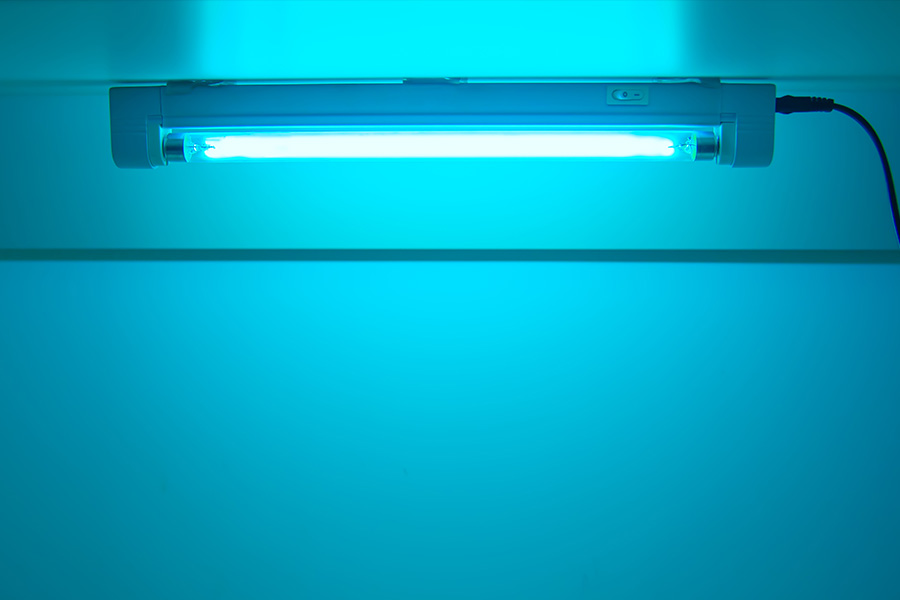
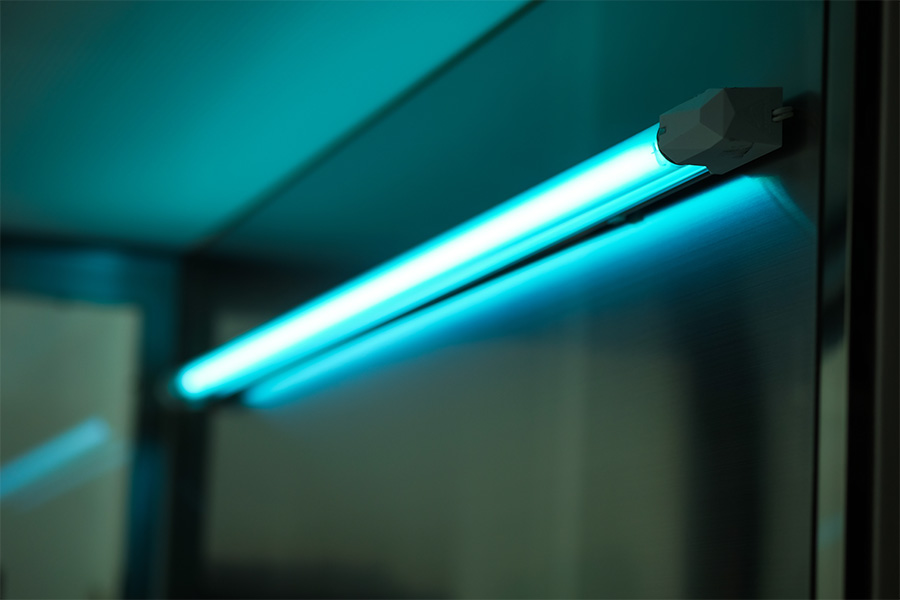
UV light uses ultraviolet radiation to damage the genetic material of living organisms such as mold, bacteria, and viruses. When these organisms are exposed to UV light over time, they lose the ability to grow and multiply. That is why UV lights are often installed near the evaporator coil, where moisture tends to collect.
The coil is one of the most important parts of your air conditioner. When mold or biological growth builds up on it, the coil can’t transfer heat as well. Your system may run longer to cool your home, and you might notice musty odors coming from your vents. A UV light helps keep that surface cleaner so your system can work the way it should.
Some UV systems also treat air as it moves through the ductwork or air handler. These help reduce the passage of certain airborne organisms through the light. It’s worth knowing what UV lights do not do, though. They don’t trap dust, pollen, or pet dander. For those, a quality air filter or whole-house purifier is the better tool, and many homeowners pair the two for the best results.
UV lights are a good fit for many homes along the Gulf Coast. Your home could benefit if you notice any of these signs.
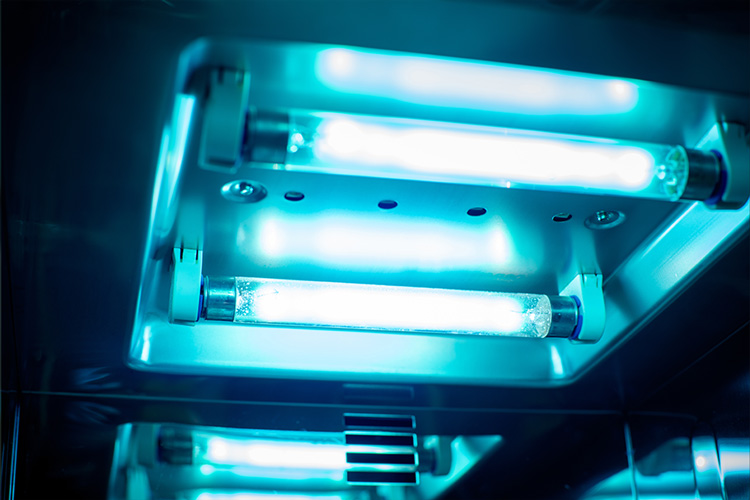
Mold is the biggest concern for most homeowners in Orange. Our warm, humid climate gives mold spores plenty of opportunities to settle and grow, especially inside an HVAC system that pulls moisture from the air for much of the year. Once mold takes hold on the coil or in the drain pan, it can keep releasing spores into the air your family breathes. UV light helps reduce that growth right at the source.
Bacteria are another common contaminant. Like mold, bacteria thrive in damp, dark areas. The drain pan and coil can collect a film of bacterial growth over time, which may contribute to odors and drainage problems. UV treatment helps limit this buildup, which can also help reduce clogs in your condensate line.
Viruses and other germs can also be affected by UV light when they pass close enough to the bulb for long enough. Results depend on the type of system and how it’s installed, so we’ll give you an honest picture of what to expect rather than promising more than the equipment can deliver.
Storm season adds another layer of concern in our area. Hurricanes and heavy rain can lead to roof leaks, water intrusion, and damp attics. Even after the visible damage is repaired, extra moisture can linger and encourage mold growth around your HVAC equipment. UV light can be a helpful tool for keeping things under control after a wet season.
We start with a conversation about what’s going on in your home. Some homeowners call us because of musty odors, while others want to help with allergies or protect their system after past moisture problems. Knowing your goals helps us point you toward the right type of UV light.
Next, our technician inspects your HVAC system. We look at your air handler, evaporator coil, drain pan, and available space for mounting the light. If we find existing mold buildup or a dirty coil, we’ll let you know. In some cases, cleaning the coil first gives your HVAC UV light installation a better starting point. We’ll explain your options and answer your questions before any work begins.
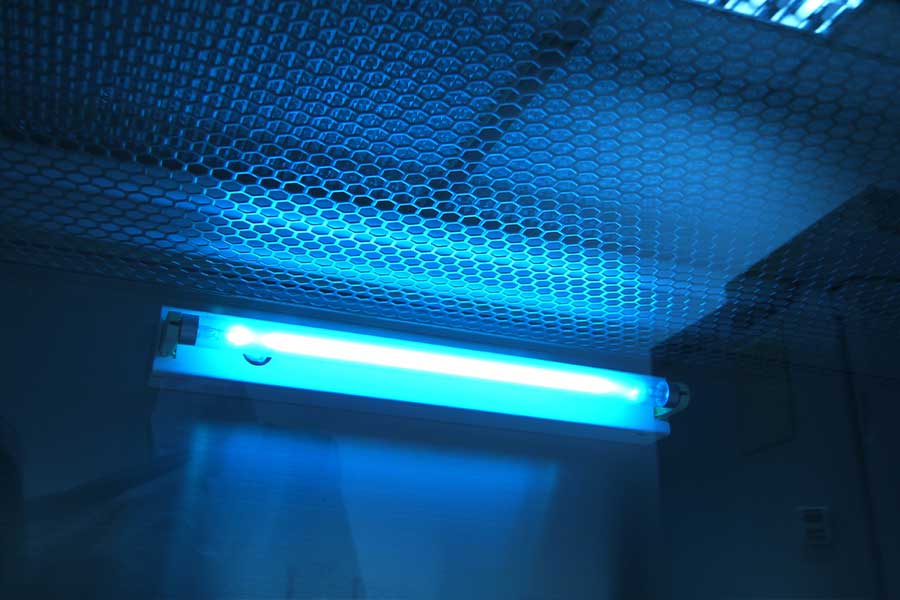
Once you’re ready, we install the UV light in the best position for your system. This usually means mounting it near the coil and connecting it to a power source. We make sure the bulb is placed for proper coverage and that the unit is sealed so light does not escape the cabinet. We can also help you choose a model that does not produce ozone.
After installation, we test the light to confirm it’s working correctly. We explain how often the bulb should be replaced, typically about once a year, depending on the model. We also show you any safety features, since UV light should never be viewed directly. Before we leave, we clean up the work area so your home stays neat.
Families throughout Orange trust us for honest advice and quality workmanship. Here is what you can expect from our team.

Yes. UV lights help reduce mold growth on the coil and drain pan, which are common problem areas in humid climates like Orange.
No. UV lights target living organisms like mold and bacteria, while filters trap dust, pollen, and dander. Most homes benefit from using both.
Most UV bulbs need replacement about once a year, though it depends on the model. We’ll let you know the schedule for your system.
When properly installed in your HVAC system, UV lights are safe. The light stays contained within the equipment, and you should never look directly at the bulb.
In most cases, yes. UV lights can be added to many existing HVAC systems, and we’ll first inspect your equipment to determine the best setup.