

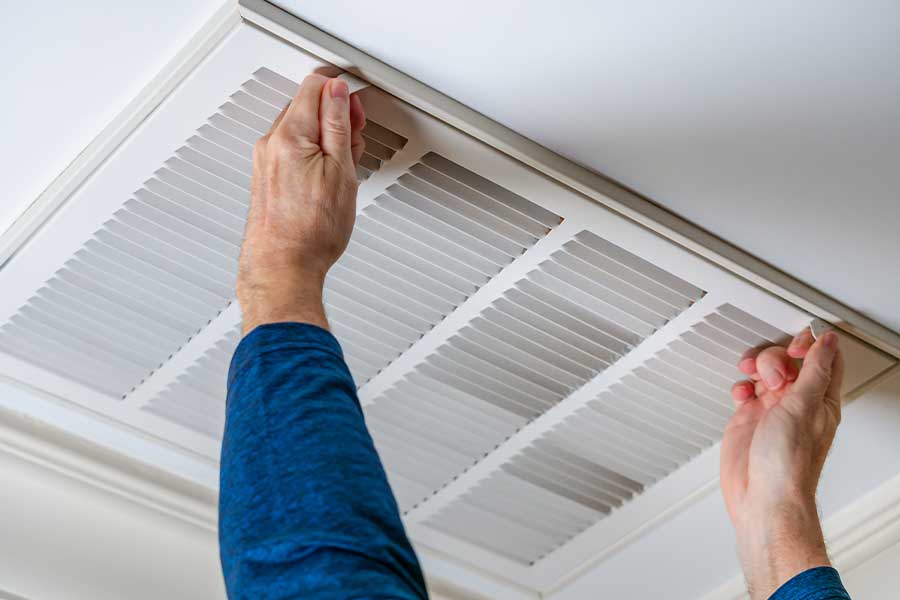
Air duct cleaning is overdue when allergies flare indoors, energy bills climb with no change in usage, and dust returns to your furniture days after you wipe it down. Odors, noise, and pests point to the same place. Bridge City’s humidity and storm history push moisture and debris into ductwork faster than most homeowners expect.
Key Points
- Air duct cleaning is due when dust returns within days of cleaning.
- Higher energy bills with no change in usage point to restricted airflow in the ducts.
- Musty odors usually mean mold or mildew inside the ductwork.
- Visible mold, pest activity, and heavy dust blockages are the three conditions that clearly warrant cleaning.
- Every three to five years is a reasonable baseline, sooner with pets, allergies, or recent renovations.
Why Do My Allergies Get Worse Indoors?
Allergies get worse indoors when dust, pollen, and mold collect inside ductwork and recirculate through every room with each cycle. The trigger is not outside, it is moving through your vents.
If you sneeze more or feel congested at home than away from it, the ducts are worth checking. Cleaning removes those trapped particles and lets the system move air the way it was designed to. In Bridge City, humidity and storm activity push extra moisture and debris into homes, so this builds up faster here.
If your cooling system has also been underperforming, our AC repair in Bridge City, TX keeps the whole system working together.
Why Are My Energy Bills Rising With No Change in Usage?
Energy bills rise with no change in usage when clogged ducts restrict airflow and force the HVAC system to run longer to hold the same temperature. The extra runtime is what shows up on the bill.
It is easy to blame the weather, but restricted ductwork is a frequent and overlooked cause. Addressing the buildup with our indoor air quality solutions restores airflow and comfort at the same time.
Dust Keeps Coming Back on Furniture and Surfaces
Dust returning to tables, shelves, and countertops within days of cleaning means your ducts are circulating debris rather than filtering it out. If dusting has become a daily chore, the ductwork is the likely source.
That dust does more than look bad. It stays in the air you breathe and aggravates symptoms for everyone in the house. Professional air quality testing measures what is actually circulating so the fix targets the source instead of the surface.
Strange Odors When the HVAC System Runs
Strange odors while the system runs mean something inside the ductwork or the equipment needs attention. Controlling excess moisture helps, because damp conditions are usually behind persistent smells.
What Different Duct Odors Usually Mean
The smell itself tells you what kind of problem you are dealing with. Here are the common ones:
- Musty smells: Often indicate mold or mildew in the ducts.
- Burning odor: May suggest overheating components or an electrical issue.
- Rotten eggs: A strong sulfur smell could mean a gas leak and requires immediate attention.
- Chemical fumes: These can indicate a refrigerant leak, which can be hazardous.
A sulfur smell or a burning odor is a stop-what-you-are-doing call, not a wait-and-see. Leave the house and call from outside if you suspect gas.
Why Duct Odors Deserve a Closer Look
Musty or burning smells can point to mold growth, heavy dust buildup, or pests nesting in the ducts. Air moving through that material goes straight into the rooms where your family spends the day.
A professional air duct cleaning removes the material causing the odor rather than masking it. The EPA’s guidance on duct cleaning names visible mold, vermin infestation, and heavy dust blockages as the conditions that clearly call for it.
What Regular Cleaning Actually Delivers
Cleaning on a sensible interval keeps the whole system doing its job. Four reasons it earns the spot on your maintenance list:
- Cleaner circulating air: Dust and allergens stop cycling back through every room.
- Restored efficiency: Clear ducts let the system hold temperature without extra runtime.
- Less equipment wear: Better airflow reduces strain on the blower and the coil.
- Odors gone at the source: Removing buildup clears the musty smell instead of covering it.
Visible Mold Growth Around Ducts or Vents
Visible mold around ducts or vents is one of the clearest signals that cleaning is warranted. Mold needs damp, dark space, and ductwork in a humid area like Bridge City provides exactly that.
Mold usually means excess moisture or poor ventilation upstream. Spores spread through the home once air moves across them, so have it inspected promptly rather than wiping down the register and hoping.
Inconsistent Temperatures From Room to Room
Rooms that run hot while others run cold usually mean air is not distributing evenly, and blocked ductwork is a common reason.
How Uneven Distribution Shows Up
- Cold spots: Certain areas feel noticeably cooler than the rest of the house.
- Rising bills: You spend more energy without gaining comfort.
- Constant thermostat changes: You adjust the setpoint repeatedly with little effect.
- Heavy dust: Debris in the system restricts the airflow that would even things out.
Blocked Airflow
A blockage restricts airflow and keeps the system from reaching the far end of the duct run. You adjust the thermostat, the nearest room overshoots, and the far room never catches up.
Left alone, that pattern raises bills and adds strain on the blower. Clearing the restriction is what makes every room usable again.
Other Causes Worth Ruling Out
- Blocked ducts: Dust and debris restrict airflow and cause uneven temperatures.
- Poor insulation: Insufficient insulation in walls or attics leads to heat loss or gain.
- Thermostat issues: A malfunctioning or poorly placed thermostat misreads temperatures.
- System size: An incorrectly sized system can struggle to condition every area equally.
A Noisy HVAC System During Operation
Rattling, banging, or squeaking during operation often traces back to clogged ducts. Debris restricts airflow, the system works harder to move air past it, and that strain makes noise.
Ignoring the sound leads to higher bills and, eventually, component failure. Our team can identify what is actually making the noise and recommend the fix, including a thorough duct cleaning when that is the cause.
Insects or Rodents in the Ducts
Pests in the ductwork affect both your air and your home’s wiring. Nesting activity escalates quickly. Watch for these signs:
- Foul or musty odors: A persistent smell can mean pests are nesting in the ducts.
- Droppings: Rodent droppings around vents or registers confirm an infestation.
- Worsening allergies: Pest allergens circulate through the system with everything else.
- Chewed wires or duct damage: Visible damage points to rodents and leads to costly repairs.
Pest activity is one of the conditions that clearly warrants a professional cleaning, not a wait-and-see.
Recent Renovations or Construction Work
Renovations push drywall dust, sawdust, and debris into ductwork no matter how carefully the space was sealed off. The effect is rarely obvious the first week, but the buildup reduces airflow and air quality over time.
If you have remodeled or added a room recently, schedule a cleaning once the work is finished. Clearing construction debris protects both the air and the equipment.
The Age of Your Ductwork and System
Ductwork more than ten years old deserves closer attention, because joints loosen, insulation degrades, and material accumulates. A few signs help you gauge condition:
- Increased energy bills: A spike in cost can point to aging ducts.
- Frequent dusting: Persistent dust may mean clogged ducts are circulating allergens.
- Musty odors: Strange smells can indicate mold buildup inside the runs.
- Repeat HVAC repairs: Recurring service calls can signal an underlying duct problem.
Older ductwork also tends to leak, which means some of what you are paying to cool never reaches the room.
What Does Professional Air Duct Cleaning Involve?
Professional air duct cleaning means accessing the duct runs, agitating and removing the material inside, and capturing it rather than blowing it into the living space. A technician opens the system at the registers and the main trunk, works the buildup loose from the duct walls, and pulls it out under negative pressure so nothing resettles in the rooms.
The visit also includes a look at what put the material there. Loose joints, damp sections, pest entry points, and a clogged filter all show up during the same access, and leaving any of them in place means the ducts load up again.
A cleaning done this way takes hours, not minutes, and the technician should be able to show you the system before and after.
Keeping Your Bridge City Home’s Air Clean
These ten red flags are how ductwork tells you it needs attention. Allergies, rising bills, and returning dust are the early warnings. Odors, noise, visible mold, and pests call for a faster response. Recent renovations and aging ducts move you up the list either way.
Your neighbors across Bridge City count on us to keep their homes comfortable, and we would be glad to do the same for you. To have a technician inspect your ductwork and tell you plainly whether cleaning is warranted, get in touch with our team.
Frequently Asked Questions
How do I know if my Bridge City home needs air duct cleaning?
Watch for the red flags above, especially worsening allergies, quick-returning dust, strange odors, and uneven temperatures. In our humid, storm-prone area, moisture and debris build up faster than many homeowners expect, so these signs tend to show up sooner here.
How often should air ducts be cleaned?
Every three to five years is a good baseline for most homes. Pets, allergies, recent renovations, and older ductwork can all shorten that interval, so use the warning signs as your guide.
Can dirty ducts really raise my energy bills?
Yes. Clogged ducts restrict airflow and force your HVAC system to work harder, which drives up energy use. Clearing the buildup restores efficiency and often lowers your monthly cost.
Is mold in ductwork common in Bridge City homes?
It is more common here than in drier climates because of our high humidity and flood history. Damp ductwork gives mold a place to grow, so musty odors or visible growth should be inspected and addressed promptly.