

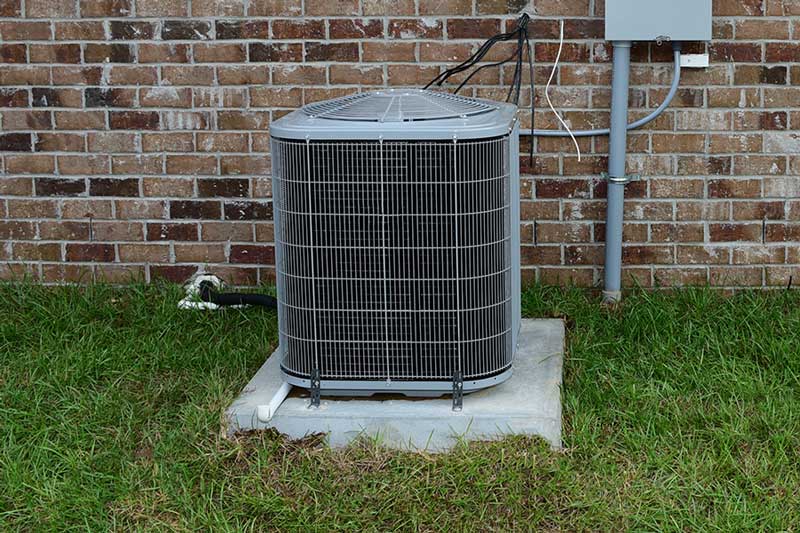
It’s 95 degrees outside, the humidity is sitting above 80%, and your AC just stopped keeping up. For Orange, TX homeowners, that’s not a minor inconvenience — it’s a real problem that needs a real answer, fast. Most AC issues start with a warning sign: a room that won’t cool down, a sound you’ve never heard before, or water where it shouldn’t be. Catch them early and you’re usually looking at a simple fix. Miss them and you’re often looking at a breakdown during the hottest week of the year.
At Innovative Air Solutions, we arrive prepared, explain exactly what we find, and walk you through your options — so you’re never guessing about what’s wrong or what it’ll take to fix it.
Quick answer: Most AC problems in Southeast Texas come down to seven common issues. For each one, there’s a short list of checks you can do yourself — and clear signs that it’s time to call a professional.
- AC running but not cooling down the house
- System won’t turn on at all
- Weak airflow from the vents
- Water leaks or moisture problems
- Strange noises, short cycling, or persistent high humidity inside
Because our climate in Orange and the rest of Southeast Texas is so hot and humid for much of the year, AC systems work harder and longer than in many other parts of the country. That extra runtime means more wear on parts, more stress on components, and less room for error if something starts to go wrong. This guide walks through the most common AC problems in our area, what you can safely check yourself, and when it’s time to call a professional like Innovative Air Solutions to take over.
Problem #1: AC Running but Not Cooling Properly
Signs Your AC Is Running but Not Cooling
Your AC is clearly running, but your home never feels truly cool. The thermostat might be set to 72, yet the temperature hovers several degrees higher. Some rooms might feel okay, while others stay warm and stuffy. When you hold your hand up to a vent, you feel airflow, but the air seems more “cool-ish” than genuinely cold.
Common Causes
- Dirty air filter restricting airflow through the system
- Outdoor unit (condenser) covered in dirt, grass clippings, or debris
- Low refrigerant level due to a leak somewhere in the system
- Leaky, crushed, or disconnected ductwork reducing cold air delivery
All of these issues are common in Southeast Texas, where long cooling seasons and outdoor debris can quickly take a toll.
What You Can Check Yourself
- Inspect and replace the air filter if it’s dirty or clogged.
- Make sure supply and return vents are not blocked by furniture, rugs, or curtains.
- Check around the outdoor unit and gently remove leaves, grass, and debris from the area around it (without opening any panels or spraying high-pressure water).
When to Call a Professional
- Air is moving from the vents but it never feels truly cold.
- You see ice forming on the refrigerant lines or outdoor unit.
- You hear hissing sounds, suspect a refrigerant leak, or notice performance slowly declining over time.
- Hot and cold spots persist throughout the home even after filter changes and basic checks.
At that point, you need a trained technician to diagnose refrigerant issues, inspect ductwork, and check system performance safely and accurately. Our team handles AC repair in Orange, TX and can pinpoint the cause the same day.
Problem #2: AC Not Turning On at All
What It Looks Like
It’s hot, you set the thermostat to “cool,” and nothing happens. The indoor blower doesn’t start, the outdoor unit is silent, or only one part of the system runs while the other stays off. Sometimes the system may start and then immediately shut down.
Common Causes
- Tripped breaker at the electrical panel
- Thermostat set incorrectly, dead batteries, or malfunctioning controls
- Blown fuse or failed contactor in the outdoor unit
- Failed capacitor requiring AC capacitor replacement
- Failed motor preventing the system from starting
In some cases, a safety switch (like a float switch for a full drain pan) will shut the system down to protect against damage.
What You Can Check Yourself
- Confirm the thermostat is set to “cool,” the temperature is set lower than the room, and the fan is set appropriately.
- Replace thermostat batteries if applicable.
- Check your home’s electrical panel for tripped breakers and reset once if needed.
- Ensure any visible service disconnect near the outdoor unit hasn’t been switched off.
When to Call a Professional
- The breaker trips again after you reset it.
- The thermostat appears to be working, but the system still will not start.
- Only the indoor unit runs while the outdoor unit stays off, or vice versa.
- You hear buzzing or humming but the system won’t fully kick on.
These signs point to electrical, control, or motor issues that are not safe or practical for DIY troubleshooting.
Problem #3: AC Blowing Weak Airflow from Vents
What It Looks Like
The air coming from your vents feels cool, but it’s barely moving. You have to put your hand right on the vent to feel it. Some rooms get a bit of airflow while others feel like nothing is coming through at all.
Common Causes
- Clogged air filter or dust-covered evaporator coil restricting airflow
- Blower motor or fan problems in the indoor unit
- Collapsed, crushed, or kinked ductwork reducing air volume
- Balancing or damper issues redirecting too much air away from certain rooms
Weak airflow can make even a properly cooled system feel ineffective and uncomfortable.
What You Can Check Yourself
- Replace the air filter if it looks dirty or hasn’t been changed recently.
- Make sure all supply vents are fully open and return grilles are not blocked.
- If it’s safe and accessible, visually inspect exposed ductwork for obvious kinks, disconnections, or crushed sections.
When to Call a Professional
- Airflow stays weak even after changing the filter and opening vents.
- You hear unusual noises from the indoor blower (squealing, grinding, or rattling).
- Certain rooms consistently have poor airflow, while others are fine.
A professional can inspect the blower assembly, clean the evaporator coil, test static pressure, and check ductwork to pinpoint the cause.
Problem #4: AC Leaking Water or Causing Moisture Issues
What It Looks Like
You notice water around your indoor unit, on the floor, or in the drain pan. Ceiling stains appear under the attic unit. The house feels damp and musty, even when the AC runs. In Southeast Texas, where humidity is already high, these issues can become serious quickly.
Common Causes
- Clogged condensate drain line preventing water from draining properly
- Frozen evaporator coil that later melts and overflows the pan
- Improperly pitched drain line or a cracked/damaged drain pan
- Excessive humidity overwhelming a marginally sized or poorly performing system
Left unchecked, water issues can lead to mold growth, structural damage, and repeated system shutdowns.
What You Can Check Yourself
- Look around the indoor unit for visible water or a very full drain pan.
- Check whether the condensate drain line is dripping outside when the AC runs (if you can see the termination point).
- If you see ice on the indoor coil or refrigerant lines, turn the system off and let it thaw, then replace the filter before turning it back on.
When to Call a Professional
- Standing water is present near the unit or you see water stains on ceilings or walls.
- The system shuts off repeatedly because a safety float switch is being triggered.
- Indoor humidity is high and lingering, even with the AC running for long periods.
- You suspect mold or notice persistent musty odors.
A technician can clear and treat the drain line, correct drainage issues, evaluate coil performance, and address deeper humidity problems.
Problem #5: Strange Noises from the Indoor or Outdoor Unit
What It Looks Like
You start to hear noises you’ve never heard before: grinding, squealing, banging, rattling, buzzing, or loud humming. The system might still cool, but the sound is concerning –or embarrassingly loud.
Common Causes
- Loose panels, screws, or components vibrating during operation
- Failing blower motor, fan motor, or bearings
- Debris stuck in or around the outdoor fan
- Compressor or electrical issues causing loud buzzing or humming
Noise is often an early warning sign that mechanical parts are wearing out or something is loose.
What You Can Check Yourself
- With the system off, make sure access panels appear closed and screws aren’t visibly loose.
- Look at the outdoor unit (with power off) to see if sticks, leaves, or other debris are stuck against the fan guard.
- Note when the noise occurs — startup, while running, or shutdown — to share with your technician.
When to Call a Professional
- Grinding, screeching, or metal-on-metal sounds of any kind.
- Repeated loud banging or clanking when the system starts or stops.
- Buzzing or humming that persists or gets louder over time.
- Any noise that is worsening rather than improving.
Continuing to run the system with these noises can cause bigger damage and more expensive repairs. If the problem is urgent, our emergency HVAC repair team responds quickly across Orange and Southeast Texas.
Problem #6: AC Short Cycling (Turning On and Off Frequently)
What It Looks Like
Your AC turns on, runs for a short time, then shuts off –only to start again a few minutes later. This cycle repeats over and over. The house never feels truly comfortable, and you may notice rising humidity.
Common Causes
- Dirty filter or dirty coil causing overheating and repeated shutoffs
- Oversized system cooling too quickly without proper dehumidification
- Thermostat placed near a supply vent, window, or other heat source
- Low refrigerant or control issues causing the system to shut down prematurely
Short cycling is hard on your equipment and can significantly shorten its lifespan.
What You Can Check Yourself
- Replace the air filter and ensure all vents are open.
- Check that the thermostat isn’t directly in the sun, above electronics that give off heat, or directly hit by supply air.
- Make sure the thermostat is mounted securely and level if it’s an older model.
When to Call a Professional
- The system continues to short-cycle after filter changes and simple thermostat adjustments.
- You’ve seen ice on the system or noticed it freezing up.
- Humidity feels high even when the temperature reading looks okay.
A professional can check refrigerant levels, inspect controls, evaluate system sizing, and correct the underlying cause.
Problem #7: High Indoor Humidity Even With AC Running
What It Looks Like
Your home feels cool enough on the thermostat, but the air is sticky, clammy, or heavy. Windows fog, surfaces feel damp, and musty smells are more noticeable. In Southeast Texas, this is a common complaint.
Common Causes
- Oversized AC system that cools the air too quickly without adequate run time to remove moisture
- Low refrigerant charge reducing the coil’s ability to dehumidify
- Dirty coil or restricted airflow affecting moisture removal
- Duct leaks pulling hot, humid attic or crawlspace air into the system
High humidity not only feels uncomfortable –it also increases the risk of mold and can damage furnishings over time.
What You Can Check Yourself
- Make sure the thermostat fan setting is on “auto” (so the fan doesn’t run continuously and re-evaporate moisture off the coil).
- Replace the filter and ensure all supply vents are open.
- Take note of which rooms are most humid and when the humidity is worst to share with your technician.
When to Call a Professional
- The home consistently feels clammy or sticky despite reasonable temperature settings.
- You notice musty odors or suspect mold growth.
- Basic thermostat and filter checks don’t improve the humidity.
A technician can evaluate system sizing, refrigerant charge, coil cleanliness, duct integrity, and whether you’d benefit from additional dehumidification or air quality solutions.
When It’s Safe to Try DIY — and When It Isn’t
Safe DIY Checks
There are several simple steps most homeowners can safely handle:
- Changing air filters regularly (often every 1-3 months, depending on usage and filter type).
- Gently clearing leaves, grass, and debris from around the outdoor unit (without opening panels or bending fins).
- Verifying thermostat settings, modes, and batteries.
- Checking breakers once if the system has shut off unexpectedly.
- Making sure vents and returns are not blocked by furniture or rugs.
These basic checks can solve minor issues and also help your technician by ruling out simple causes.
Staying on top of these checks is a lot easier with a regular AC tune-up in Orange, TX — our technicians catch small problems before they become expensive ones.
When to Stop and Call a Professional
You should not attempt repairs or deeper troubleshooting when:
- Any electrical components, wiring, or control boards might be involved.
- You suspect low refrigerant, a refrigerant leak, or see ice on the lines or coil.
- The same problem keeps coming back after basic maintenance.
- You see water damage, ceiling stains, or suspect mold.
- You smell burning, smoke, or anything that seems like an immediate safety risk.
Calling a professional at this stage protects you from injury, prevents additional damage to your system, and helps ensure the real cause is fixed –not just the symptoms.
Why AC Problems Are Different in Southeast Texas
Living in Orange and the surrounding Southeast Texas region means your AC system has a tougher job than in many other climates. Long, hot seasons mean your AC runs for more months out of the year, and often for longer cycles each day. High humidity adds extra stress because your system has to remove both heat and moisture from the air to keep you comfortable.
Outdoor units face heat, storms, and fast-growing vegetation. Indoor components handle constant moisture removal, which can lead to drain clogs, algae growth in condensate lines, and faster wear on parts. Ductwork in attics is exposed to extreme temperatures and can develop leaks or insulation issues.
All of this means small issues tend to escalate faster here. Regular maintenance and early attention to warning signs are especially important for Southeast Texas homeowners who want to avoid breakdowns during peak heat.
Regular AC maintenance in Orange, TX is one of the best ways to stay ahead of these issues — our team keeps your system dialed in for the long cooling season ahead.
How Innovative Air Solutions Helps You Avoid Repeat AC Problems
At Innovative Air Solutions, the goal isn’t just to get your system running again today –it’s to help you avoid seeing the same problem again in a few weeks. That’s why technicians focus on thorough diagnostics instead of quick, surface-level fixes.
When you call for AC service, you can expect a clear explanation of what’s happening in plain language. The technician will walk you through what they found, what caused the issue, and what your options are. They’ll take care around your home, keep work areas clean, and treat your equipment with respect.
Rather than pushing a single “fix,” they’ll often outline what needs attention now and what can be monitored over time, so you can make decisions based on your comfort, priorities, and budget. Preventive solutions –like tune-ups, cleaning, and small adjustments –are part of the conversation, because they reduce breakdowns and extend the life of your system.
That approach aligns with homeowners who value quality, peace of mind, and long-term relationships with a company they can trust.
When Should You Schedule an AC Visit?
You don’t have to wait for a complete breakdown to ask for help. In fact, the best time to schedule an AC visit is when you notice early warning signs, such as:
- The same issue happening more than once (even if it “went away” temporarily).
- Comfort problems that are getting worse: hot spots, weak airflow, or lingering humidity.
- Water where it shouldn’t be, ceiling stains, or persistent musty smells.
- New noises, smells, or behavior from the system you’ve never noticed before.
Addressing problems early usually means simpler repairs, less downtime, and less stress. It also gives you time to make informed decisions instead of rushing under pressure.
If your AC is struggling, sounding strange, or just not keeping up with Southeast Texas heat and humidity the way it used to, schedule your appointment today with Innovative Air Solutions. From the first call to the final walkthrough, the focus is on clear communication, dependable results, and making sure you feel confident about every step taken in your home.